The EDC attends PyConDE & PyData!
30/04/2026
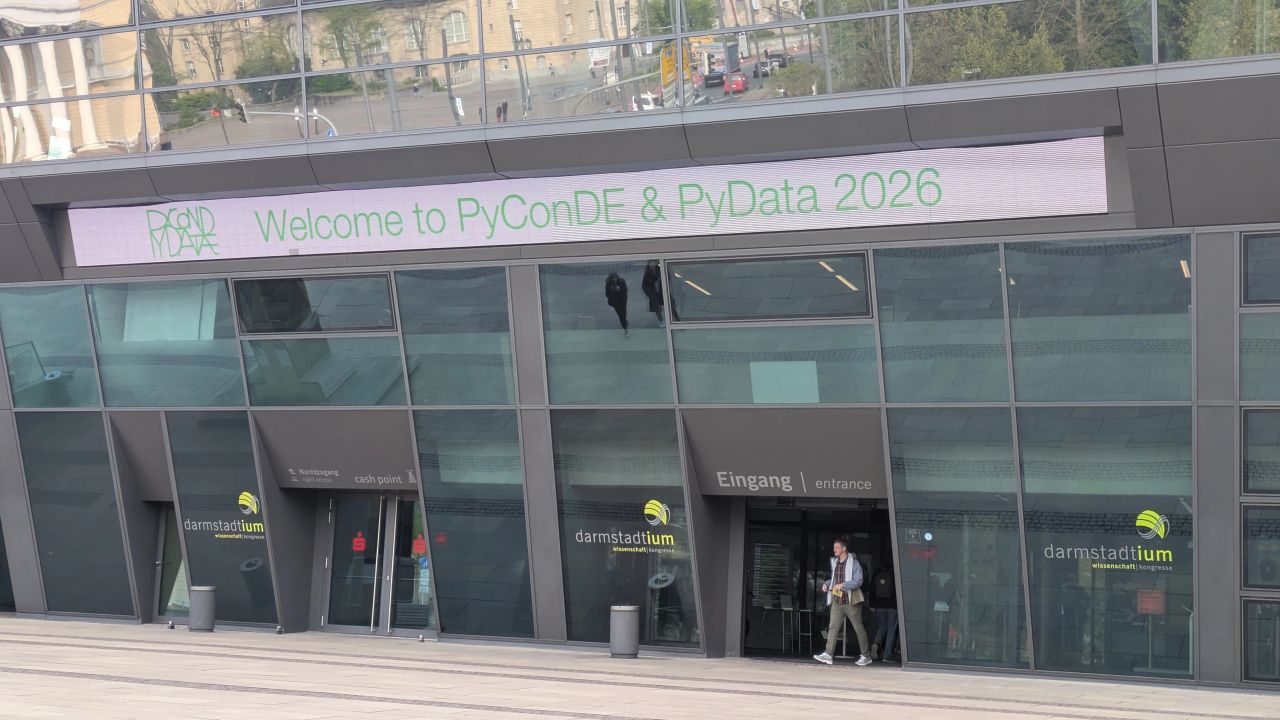
Earlier this month, Peter Holt and Vivek Mistry from the Energy Data Centre (EDC) attended PyConDE and PyDataDE 2026 in Darmstadt, Germany. The joint event brought together Python and data communities from across Europe, with around 2,000 attendees and multiple parallel tracks. A notable characteristic of this year's programme was the strong presence of AI-related content, with many sessions either fully focused on AI or incorporating it into broader topics such as testing, type checking, architecture, and data analysis. For the EDC, the conference provided a valuable opportunity to assess how these trends are shaping modern Python-based systems.
This conference is one of the larger Python and PyData conferences in Europe and it is professionally put together." - Peter Holt
Across the conference, architectural decision-making was a recurring theme, often framed in contrast to the rapid adoption of AI and automation. Several talks encouraged teams to balance new AI-enabled workflows with simpler, more maintainable system designs. Speakers highlighted that while tooling and automation, often AI-assisted, can accelerate development, architectural complexity still carries long-term costs. This resonated strongly with EDC's focus on sustainable platforms and careful technical trade-offs.
"There is a noticeable shift away from defaulting to microservices, simpler architectures such as monoliths, modular monoliths, or lambdaliths may be more appropriate." - Vivek Mistry
AI featured particularly prominently in discussions around developer productivity and quality. Multiple sessions explored AI-assisted development, evaluation of large language models, and the use of strong type systems and automated testing to keep AI-generated code trustworthy. Tooling such as PyTest, emerging type checkers like Ty, and evaluation frameworks were frequently discussed as essential guardrails when integrating AI into development workflows. For the EDC, these ideas are directly relevant as the team explores experimenting with AI while needing to maintain reliability and accountability.
"The Python ecosystem continues to grow in both breadth and depth, but this also raises the cognitive load required to select, maintain, and standardise tools across teams." - Vivek Mistry
Data and visualisation sessions complemented this AI focus by stressing clarity, intent, and user needs. Talks demonstrated how AI and automation can assist analysis, but repeatedly emphasised that effective data presentation still depends on good design principles and domain understanding. These lessons align closely with the EDC's data services, reinforcing how AI should enhance, not replace, clear thinking around metadata, visualisation, and data access.
"Focus on what you need to see, abstraction can help the user without exposing unnecessary complexity." - Vivek Mistry
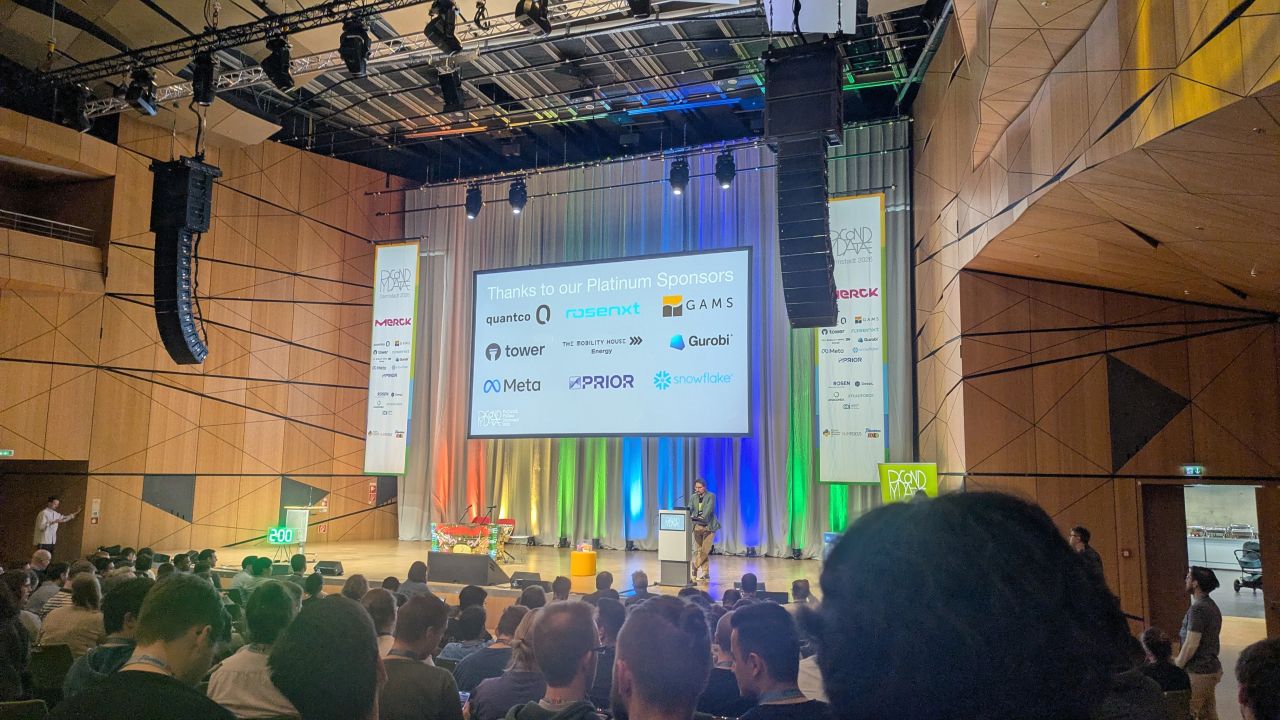
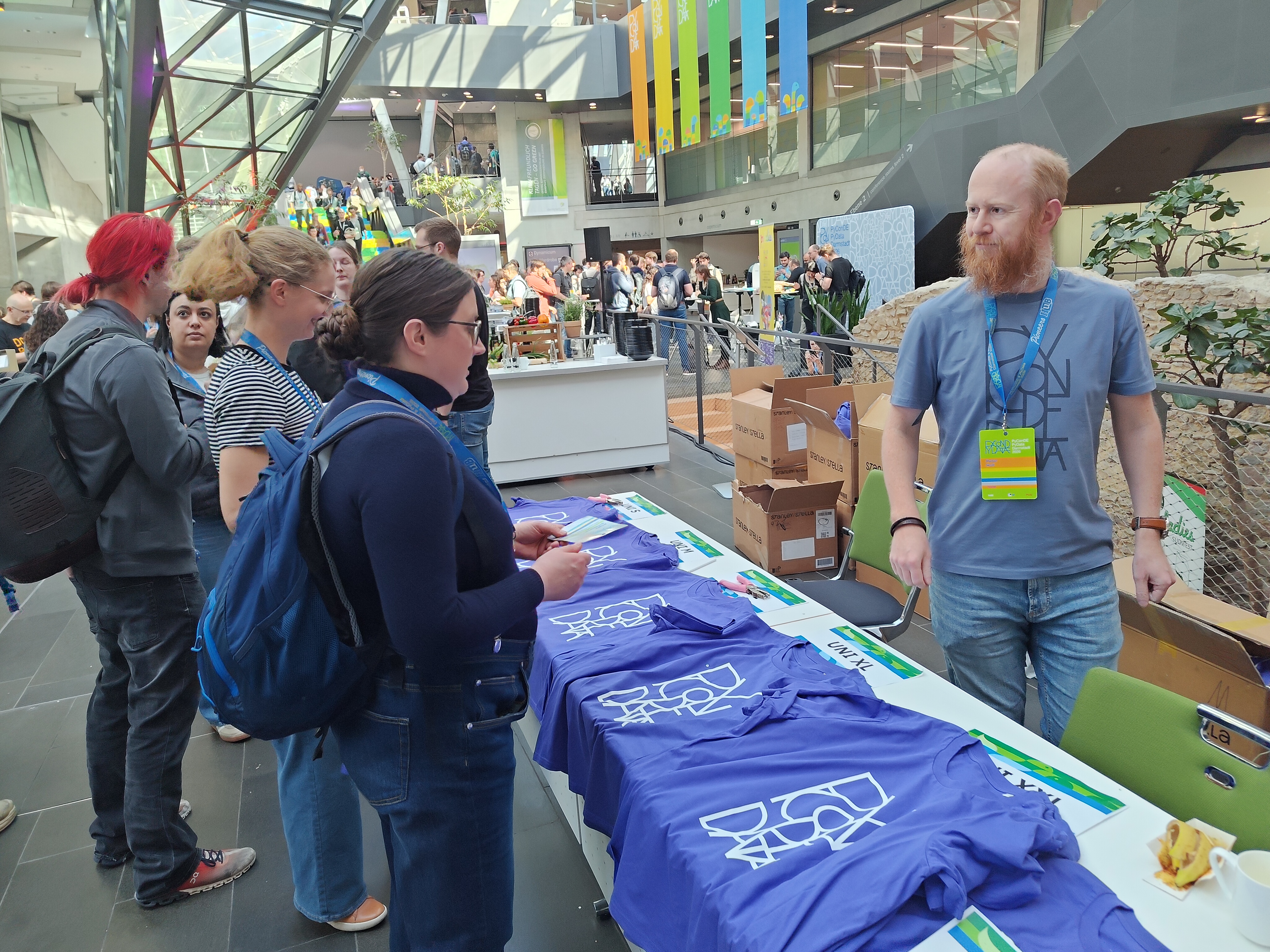
In addition to attending sessions, Peter Holt volunteered at the conference, supporting talks and assisting with room logistics and live Q&A audio. This helped strengthen EDC's engagement with the wider Python and data communities and provided insight into "the amount of coordination and planning that goes into running a conference of this size." Volunteering also made professional connections more natural and visible, reinforcing EDC's presence within the community. Overall, PyConDE and PyDataDE 2026 offered clear value to the EDC, highlighting how AI is becoming embedded across the ecosystem, while reaffirming the importance of simplicity, communication, and sustainable software development.
"Volunteering helped me feel more connected to the conference and the community around it, and highlighted how many moving parts there are behind the scenes." - Peter Holt
Written by

Peter Holt